
Why Your Electrical Panel Is Draining Money While You Sleep
Your home’s wiring does more work than you realize each day. Modern families run dozens of devices at once without thinking twice. Most electrical systems quietly handle the load until something breaks. Home electrical services keep your property safe and every outlet working correctly.
Why Home Electrical Services Matter for Safety
Faulty wiring causes over 50,000 house fires every year in North America. Old homes with aluminum wiring face even higher risks. Most people ignore flickering lights or warm outlets for months. These small signs often mean dangerous problems hiding behind your walls.
Electrical fires start without warning. They spread faster than other types of fires. Damaged insulation or loose connections create heat buildup over time. The heat ignites nearby materials when temperatures reach critical levels.
Licensed electricians spot these hazards during routine inspections. They check panel boxes, test circuit breakers, and examine wire conditions. Finding problems early prevents fires and protects your family. Professional inspections cost far less than fire damage repairs.
Common Problems Home Electrical Services Fix
Circuit breakers trip when you run too many appliances simultaneously. This happens because older homes weren’t built for modern power demands. Adding dedicated circuits solves the problem permanently.
Outlets stop working for several reasons. Worn receptacles lose their grip on plugs over time. Tripped GFCI outlets in other rooms can shut down connected outlets. Loose wire connections also cause dead outlets throughout your house.
Light switches feel hot when internal components start failing. The heat comes from arcing electricity inside the switch box. Replacing these switches right away prevents potential fire hazards.
Buzzing sounds from electrical panels signal loose connections inside. The vibration comes from electricity jumping small gaps between contact points. This arcing damages components and creates serious fire risks.
Flickering lights point to several possible issues. Loose bulbs are the simplest cause to fix yourself. Voltage fluctuations or failing circuits require professional diagnosis. Whole-house flickering often means problems at the utility connection.
When to Call for Home Electrical Services
Burning smells near outlets or switches demand immediate attention. Turn off power at the breaker and call an electrician. Never ignore these warning signs even if they go away.
Shocks from appliances or switches mean dangerous grounding problems. Even small tingles indicate electricity flowing where it shouldn’t. Qualified technicians from emergency electrical services can diagnose grounding issues quickly and fix them safely.
Water damage near electrical components creates electrocution risks. Floods, leaks, and burst pipes all expose wiring to moisture. Professional electricians must inspect these areas before you restore power.
Renovations always require electrical work for new rooms or additions. Moving walls often means relocating wires and outlets. Building codes require permits and inspections for this type of work.
Old homes built before 1970 need electrical upgrades. Two-prong outlets lack proper grounding for modern electronics. Aluminum wiring common in that era requires special attention. Panel boxes from this period can’t handle today’s electrical loads.
Home Electrical Services for Modern Technology
Smart home devices need reliable power and proper wiring. Video doorbells, security cameras, and automated thermostats all require specific voltage. Some devices need dedicated circuits to function correctly.
Electric vehicle chargers draw massive amounts of power. Level 2 chargers need 240-volt circuits with 40 to 50 amp capacity. Your existing panel might need upgrades to support this load. Installation takes specialized knowledge about EV charging requirements.
Home offices demand more outlets and better surge protection. Remote workers run computers, monitors, printers, and networking equipment simultaneously. Dedicated circuits prevent breaker trips during important video calls.
Whole-house surge protectors defend expensive electronics from power spikes. Lightning strikes and utility problems send voltage surges through your wiring. These devices install at your main panel and protect everything. They cost a fraction of replacing damaged computers and appliances.
Understanding Home Electrical Services Costs
Service calls typically include diagnosis fees between $75 and $150. This covers the electrician’s time to identify your problem. Many companies apply this fee toward repair costs.
Simple repairs like replacing outlets or switches cost $100 to $200. This includes labor and basic parts for standard residential work. Prices increase for specialty outlets or difficult access locations.

Panel upgrades range from $1,500 to $4,000 depending on amperage. Older 100-amp panels can’t support modern homes safely. Upgrading to 200-amp service provides room for future electrical needs.
Whole-house rewiring costs $6,000 to $15,000 for average-sized homes. This major project replaces all old wiring with modern copper. The price varies based on home size and wall access.
Emergency calls outside business hours cost more than scheduled appointments. Expect to pay 1.5 to 2 times the normal rate. This premium covers technician availability during nights and weekends.
Choosing Quality Home Electrical Services
License verification protects you from unqualified workers. Every state requires electricians to pass exams and maintain certifications. Check license numbers through your state’s contractor licensing board.
Insurance coverage matters when work goes wrong. General liability protects your property during repairs. Workers compensation covers injuries that happen on your property. Ask for proof of both policies before hiring anyone.
Experience with your specific problem saves time and money. Electricians who specialize in older homes understand outdated wiring systems. Those focused on commercial work might lack residential expertise.
Written estimates prevent surprise charges after work finishes. Good contractors provide detailed breakdowns of labor and materials. Compare at least three estimates for major projects.
Warranties on labor and parts show contractor confidence. Standard warranties cover workmanship for one year minimum. Parts warranties depend on manufacturer terms for specific components.
Preventive Home Electrical Services Save Money
Annual inspections catch small problems before they become emergencies. Electricians test all circuits, check connections, and measure voltage levels. This proactive approach costs less than emergency repairs.
Thermal imaging reveals hot spots invisible to the naked eye. Special cameras show temperature variations in panels and outlets. High temperatures indicate failing components that need immediate replacement.
Panel maintenance includes tightening connections and cleaning contacts. Loose screws create resistance that generates heat over time. Simple maintenance extends the life of your electrical system.
GFCI outlet testing should happen monthly in bathrooms and kitchens. Press the test button to ensure the outlet trips properly. Replace any GFCI that doesn’t respond to testing.
Arc fault circuit interrupter breakers detect dangerous arcing conditions. Modern codes require these devices in bedrooms and living areas. Upgrading to AFCI protection prevents many electrical fires.
Emergency Home Electrical Services You Might Need
Power outages affecting only your home require immediate diagnosis. The problem could be at your meter or main panel. Utility companies handle issues before the meter arrives at your house.
Sparking outlets or switches need urgent attention day or night. Turn off the circuit breaker controlling that area immediately. Contact 24-hour emergency electricians who can respond within hours.
Smoke from electrical panels means active burning inside the box. Cut the main breaker if you can do so safely. Evacuate your home and call emergency services right away.
Storm damage often affects electrical service connections to homes. High winds tear weatherheads from roofs and damage meter bases. These repairs require coordination between electricians and utility companies.
Flooded basements with electrical equipment create deadly electrocution hazards. Never enter standing water near electrical panels or outlets. Professional electrical emergency response teams have equipment to work safely in these conditions.
DIY Limits with Home Electrical Services
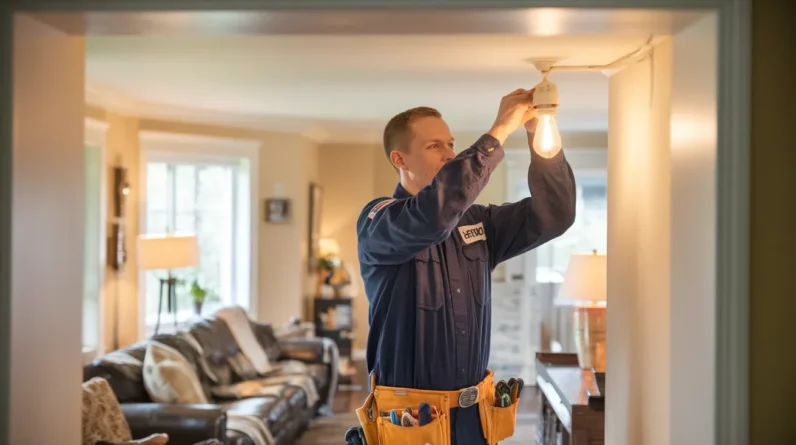
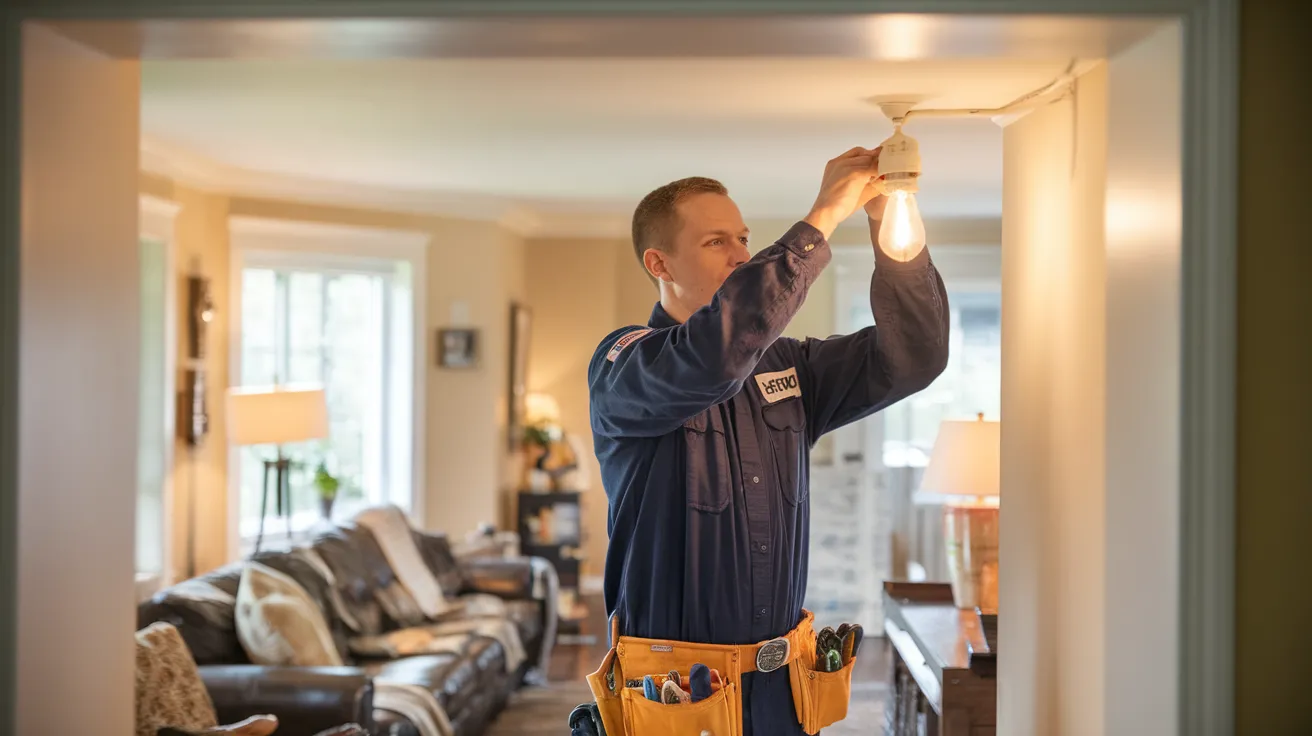
Changing light bulbs and resetting breakers are safe DIY tasks. These simple jobs don’t require opening electrical boxes or working with live circuits. Always turn off power at the switch before changing bulbs in fixtures to avoid electrical shock. Testing outlet functionality with a plug tester is another safe DIY activity. Never attempt to repair or replace breakers, as this requires working inside the main electrical panel where serious hazards exist.
Installing smart switches seems simple but involves direct wire connections. One mistake can create fire hazards inside your walls. The small savings aren’t worth the safety risks.
Opening electrical panels without training is extremely dangerous. Live bus bars carry 240 volts with lethal amperage. Even experienced professionals take serious precautions around open panels.
Permit requirements exist for good reasons beyond bureaucracy. Inspectors verify work meets safety codes that protect your family. Unpermitted work complicates home sales and insurance claims.
YouTube tutorials can’t replace years of apprenticeship training. Electricity behaves according to complex physical principles. Misunderstanding these principles leads to dangerous installations.
Frequently Asked Questions
How often should I schedule home electrical services inspections?
Most homes need professional electrical inspections every three to five years. Older homes built before 1980 should get annual inspections. Schedule inspections immediately if you notice any unusual electrical behavior.
Can I upgrade my electrical panel myself to save money?
Panel upgrades require licensed electricians and building permits in all areas. This work involves disconnecting and reconnecting your entire electrical system. Mistakes can cause fires or deadly electrocution.
Why do my lights dim when appliances turn on?
Large appliances draw significant power when starting their motors. This temporarily reduces voltage available to lights on the same circuit. The problem suggests you need additional circuits for heavy appliances.
How long does typical home electrical services work take?
Simple repairs like outlet replacement take 30 minutes to one hour. Panel upgrades require four to eight hours of work. Whole-house rewiring takes several days depending on your home’s size.
What credentials should my electrician have for home electrical services?
Your electrician needs a valid state license and current insurance coverage. Master electricians have more training than journeymen for complex projects. Verify all credentials through your state licensing board before hiring.
Contact a licensed electrical contractor today to schedule your home safety inspection.